Home, Shop & Industry Uses
-
Nanomagnets: An Oil Spill Fix
 Even though oil and water separate when mixed, they still mix enough to cause problems, especially for our ecosystems. Even though the last few decades have seen an increase in oil trading, we’ve actually seen a dip in the number of large scale oil spills. There were only two spills in 2017 with more than 700 tons of oil. Continue reading →
-
Tiny Magnets: What are They Good for?
 Most of the magnets we encounter on a regular basis –– like the ones on our kitchen refrigerators and office whiteboards –– are extremely manageable and easy to use. They fit comfortably in our hands and typically don’t have enough strength to cause injury. However, there are even smaller magnets available with more power than you might think. While their size and strength might make them more complicated to handle, they are invaluable for certain applications. Continue reading →
-
Magnets in Signage: Four examples you see every day
 Although you might not recognize it, magnets have a significant impact on the things we use on a daily basis. They’re used for a ton of products spanning a variety of different industries. We use them to hang notes and pictures on our refrigerators, to close the cabinets in our homes, and even to direct us through a hiking trail with our compasses. But what about signs? Many signs you encounter every day heavily depend on magnets. We’ll explore a few examples below. Continue reading →
-
Wine Lovers Rejoice! Magnets Can Improve the Taste of Your Cabernet
 Are you a big wine drinker? If so, then you probably notice right away when something about your last glass of cabernet sauvignon tastes off. That unpleasant aroma or flavor you can’t quite put a finger on may be caused by a chemical compound called methoxypyrazine. It’s known to cause something called the green capsicum aroma. In an effort to save otherwise tasty wine from an untimely trip down the drain, researchers at the University of Adelaide in Southern Australia have created a polymer that absorbs these compounds, removing the bad flavor. Pretty cool, right? Continue reading →
-
Using Magnets To Find Nails In Wood
 If you’re using reclaimed wood in a home renovation project or in the process of repairing your already existing wood floors, there’s a chance you’ll come across a surprise (and unwelcomed) nail stuck in the wood. When working with power tools, running into a nail may result in damage to your tools or, even worse, an injury. There’s a way to check for nails in the wood prior to doing any cutting, however: rare earth magnets. Continue reading →
-
Magnets in the Military: From the Sky to the Ground
 China is the world’s biggest producer of rare earth magnets, though U.S. law prohibits the military from acquiring neodymium-iron-boron and samarium-cobalt magnets produced in China. Historically, the U.S. has spent enormous sums in order to remain the world leader in military technology and ensure a strong presence on the global stage. Continue reading →
-
Magnets in Video Tape: Turning Iron Particles into Visuals
In the 1970s, VHS waged a videotape formatting war with the now defunct Betamax, much like the competition between DVD and Blu-Ray in the mid-2000s. VHS may have won out in the end thanks to its affordability, but the format has since been pushed to the limits with today’s streaming, digital, and Blu-Ray technology. Still, VHS technology isn’t completely obsolete –– or, at least, not yet. It’s true the last manufacturer of VCRs ceased production in 2016 after the industry sold about 750,000 units the year before. As for blank VHS tapes, availability in stores is now limited and varies by retailer. While the ever-rolling train of technological revolution leads us to abandon certain products in favor of “the next best thing,” we can’t help but mourn the decline of VHS since these tapes really go the distance when it comes to creatively harnessing the power of magnetism. Continue reading → -
Recycling Rare Earth Magnets: A New Option for Economical Magnets
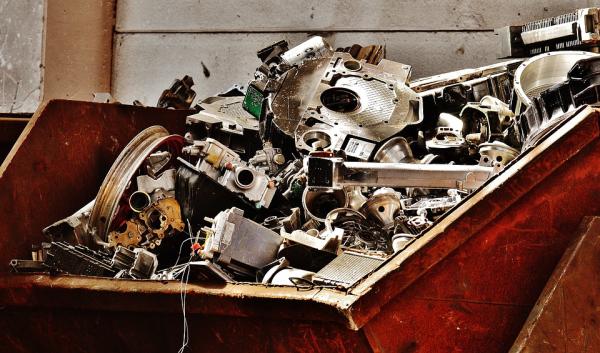
One hurdle to acquiring permanent, rare earth magnets is their environmental and economic cost. Mining for elements like neodymium can be difficult, and this relative inaccessibility creates higher prices, especially since much of the mining is completed overseas. Complicating things even further, permanent magnets have also been difficult to recycle, especially because they’re typically used deep inside other products, which makes them hard to access. Continue reading → -
Magnetic Concrete Could Enable Electric Cars to Drive Indefinitely
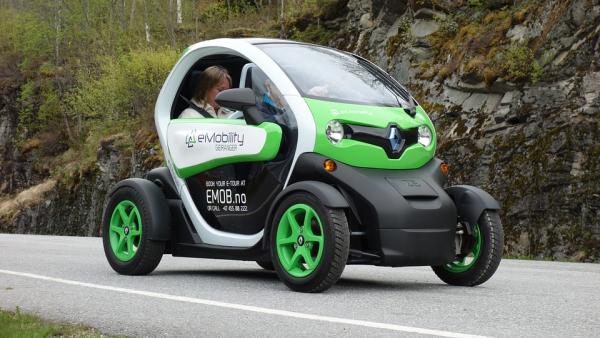
As early as the 19th century, electric cars were primed to take over the automotive industry and change the face of travel forever, specifically when it came to speed. In fact, an electric car held the land speed record until the early 20th century. However, for the rest of the 1900s, the popularity of electric cars waned, stagnating the progress of electric vehicle technology. In the past two decades, the industry has begun to make a resurgence, but it still has major drawbacks. Similarly to their gas-powered counterparts having to stop and refuel, electric cars have to stop and recharge. Wouldn’t it be great if electric cars were like the latest cell phones though? You could park them on any surface, and they would charge wirelessly –– no cables, no outlets. This is a concept German startup Magment is developing and testing in pilot projects. Magment’s product, also called “magment,” is designed to allow for dynamic charging so that electric cars can recharge while in motion. If roads were widely equipped with this technology, long trips could in theory need far fewer charging stops. Continue reading → -
Magnetic Refrigeration is Pretty Cool!
We’ve been telling you magnets are cool for years now, but could magnets soon be replacing our refrigerator technology? With new findings from the researchers at the U.S. Department of Energy’s Ames Laboratory, magnetic refrigeration could be on the horizon. Continue reading → -
Magnets Keep Our Food Safe, But What Are the Best Practices?
When there’s an E. coli outbreak, we all hear about it. A less common—but still serious—concern is the potential for foreign metal particles to slip into our food. These particles could come from anywhere along the supply chain, including the machinery used to process food and wire meshes used to filter ingredients. If you’ve never heard of something like that happening, it’s likely because these are usually one-off events. Unlike a bacterial strain that can infect an entire production line, a stray piece of metal will typically impact only one package of food. Continue reading → -
Magnets in Marketing: Turning Cars into Mobile Billboards
You have probably seen them speeding down the highway or stuck beside you in traffic – cars covered in magnetic advertisements. This kind of marketing is growing in popularity, and for good reason. It generally costs less than painting a car, is far less permanent, and transfers easily from one vehicle to another or into storage. Before you jump into the world of magnetic marketing and mobile advertising, however, we want you to be aware of all the potential perks and drawbacks so that you can make an informed decision. Continue reading → -
Improving Computer Memory with Magnets
We already know that magnets have a place in many of our household objects that we use on a daily basis. They’re in our jewelry, our cabinets, and even our vacuum cleaners. Most importantly, magnets are present in our computers! As anyone who has ever lost their laptop charger knows, energy efficiency is important. But if it weren’t for magnets, computer memory wouldn’t be nearly as energy-efficient. Continue reading → -
Magnets in Printers: The Hidden Secret to Printing
When you think of a dot matrix printer, you might think of that distinctive, repetitive whine so many of them seem to have. Though that noise might take you down memory lane, the truth is you probably passed a matrix printer the last time you were at the grocery store. Continue reading → -
Wireless Communication to Radar Systems: How Magnetism Makes It Possible
If your car breaks down, one of the first things you’ll do is pull out your cell phone and dial for help. Did you know you have magnets to thank for that phone call? Maybe you think we’re talking about the tiny magnets inside your phone, but this blog is actually about something even more impressive. There are magnets miles away from you that make it possible for your call to travel from your phone to AAA. Continue reading → -
Magnetic Latches: Keeping Your Kitchen and Office Organized
We’ve all had that one cabinet door that wouldn’t stay shut. Maybe the hinges were on an angle or maybe the cabinet itself was unlevel. Regardless of the reason, the door was a constant hazard for bumping your head or knee as you moved around the kitchen. Modern cabinet fixtures have a solution to this problem: Magnets. So even if you make the rash decision to install the cabinet on the ceiling, there’s little chance of the door opening on its own. Continue reading → -
Magnets in Fashion Statements
Magnets are generally well-known for their industrial applications, but did you know they might be the next showstopper on red carpets too? That’s right, the fashion industry is finally starting to capitalize on magnets as reliable replacements for traditional buttons and clasps in clothing and jewelry, as you may have seen in some of our tutorials. So, how do magnets make the lives of fashion designers and distributors easier? Continue reading → -
Magnetic Clothing and Hiking Don’t Mix
Clothing fasteners like buttons and zippers are a relatively new technology. Buttons with buttonholes entered the scene in 13th-century Germany, zippers became prominent in the 1930s, and velcro came to the game in the 50s. Now, a new era of fastening is upon us. Magnetic clothing fasteners are becoming the next big thing, but be careful where you wear them. You might get lost! Continue reading → -
Safety First: Magnets Keep You Safe on the Road
When you’re on the road, the objective is to get from Point A to Point B as quickly and safely as possible. Magnets are constantly working to ensure that happens. In fact, several of the most important safety features on a car — including seat belt sensors and the Anti-Lock Brake System (ABS), and in some vehicles the brake light... -
Dynamos on Wheels: How Magnets Are Keeping Bikers Safe
Dynamos are brilliantly simple direct-current generators that are used all over the world. While popular today, the basic design was established nearly 200 years ago, placing them among the most important inventions of the 19th century. The first true dynamo was built in 1832 by a French instrument maker, Hippolyte Pixii, who based his design on the principles of Michael Faraday (one of our favorite magnetic personalities!). Continue reading → -
Magnet’s Won’t Ruin Your Smartphone (But Here’s What You Should Watch For)
You’ve heard the warnings: Keep magnets away from your computer! Keep magnets away from your credit cards! Keep magnets away from that old floppy disk (if you still have one around.) Continue reading → -
Vase Cleaning the Magnetic Way!
Spring is right around the corner and as the age-old saying goes, “April showers bring May flowers." Flowers can add an extra decorative touch to your home this time of year, but keeping your vases clean is important for many reasons. Vase cleaning can help eliminate the odors that come along with the standing water as well as extend the life of the flowers. Continue reading → -
The Use of Magnetic Separators in the Mining Industry
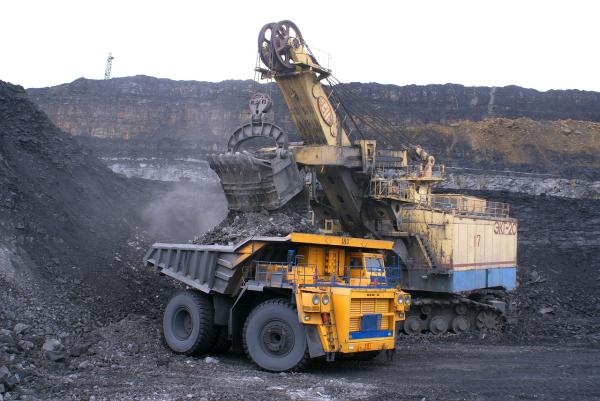
The mining industry requires some powerful machinery – draglines, excavators, and massive drill rigs. You’ve likely seen one or more these machines while driving down the highway. It is a tough line of work that employs equally tough people, but as demanding as the industry is, and as imposing as most of the machinery tends to be, it requires other, more delicate equipment as well. Continue reading → -
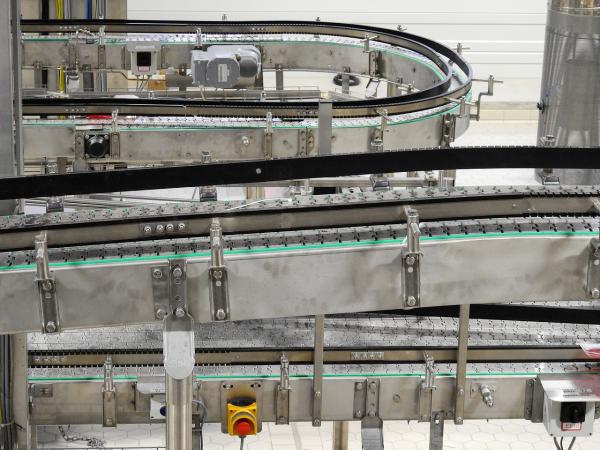
Conveyor Belts and Magnetic Pulleys: The Last Chance for Separation
Do you remember the iconic conveyor belt scene from I Love Lucy? Lucy and Ethel are working at a candy factory but are warned they’ll be fired if they fail to wrap a single piece of candy. Naturally, things are never easy for the duo, and as the belt begins to move faster and faster... well, cue the laughter! But did you know that permanent magnets are used to operate real-life conveyor belts and pulley systems? Magnets are highly effective at separating certain materials, making them ideal in an industry like recycling where you must sift between plastics, metals, paper, and hundreds of other products along a single conveyor belt. Another good example is the food industry (maybe in a candy factory!) — you wouldn’t want anything dangerous slipping into the final product before mass distribution. Many operations place a magnetic pulley at the end of the conveyor belt as part of their separation efforts. Continue reading →