
How Magnets Helped Detect Lithium on Mercury
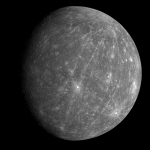
Scientists have just made an exciting discovery on our solar system’s innermost planet. Using electromagnetic waves and magnets, researchers have identified traces of lithium on Mercury, offering new clues about its surface and how it may have formed.
As reported by Interesting Engineering, this detection was made using remote sensing tools that analyzed the planet’s surface without any physical contact. The findings could reshape our understanding of Mercury and potentially inform future research on other planetary bodies.
How the Discovery Was Made
To locate the lithium, scientists turned to a combination of electromagnetic wave analysis and magnetic field modeling. When electromagnetic waves interact with different materials, they create unique "signatures" based on how the material reflects or absorbs energy.
Researchers analyzed data from previous space missions, including Mercury’s X-ray emissions and reflected light, and compared it with known lithium signatures. From these comparisons, they were able to pinpoint likely concentrations of lithium across Mercury’s crust despite the planet’s extreme surface conditions.
Why Magnets Play a Role
Magnets enter the picture through a tool known as a magnetometer—an instrument used to measure magnetic fields. Planetary bodies like Mercury generate their own magnetic fields, and how these fields interact with solar radiation can reveal hidden details about surface elements.
In this case, understanding Mercury’s magnetic properties allowed scientists to better interpret the electromagnetic data and refine their conclusions about the presence of lithium.
What This Means for Planetary Science
Lithium is a light metal often associated with volcanic activity and chemical differentiation. Finding it on Mercury suggests that the planet may have had a more dynamic geological history than previously believed.
For the scientific community—and the space exploration field—this is a reminder of how electromagnetic waves and magnets continue to expand our ability to study distant worlds. From Earth’s crust to Mercury’s crust, magnetic technologies are helping unlock the secrets of our universe.
To read the full article and explore the details of this space-based discovery, visit: Interesting Engineering – Electromagnetic Waves Catch Mercury, Hidden Lithium
Shop Online and Follow Us to Learn More
We offer a vast selection of magnets, so be sure to browse through them to find the perfect options for your specific needs. Subscribe to our monthly newsletter! You’ll be among the first to receive notifications about our latest blogs and our latest magnet deals.
If you need further assistance or have questions, please don't hesitate to contact us.
Magnets can be dangerous. Neodymium magnets, especially, must be handled with care to avoid personal injury and damage to the magnets. Fingers and other body parts can get severely pinched between two attracting magnets. Bones can be broken by larger magnets.
Visit our Magnet Safety page to learn more.