
The Latest Technology And Pacemakers: What Are The Risks?

In a rapidly evolving technical society, it has never been easier to stay active and track your health journey with ease. But before you go out and purchase the newest wearable gadget that promises to make your life easier, those with certain health conditions must consider the interactions of such technology in the presence of implanted medical devices.
Frequently used to track your heart rate and O2 Saturation, and some models offer blood pressure estimates, devices such as smartwatches and other similar tech products quickly gained popularity for their ability to track health goals and streamline communication. And while these devices have paved the way for gyms to be anywhere you are, many experts believe not enough research has been done to clarify the potential risks associated with these devices and CIED patients. In short, these tiny but mighty devices often contain small magnets, including neodymium-iron-boron (NdFeB) magnets, that produce magnetic fields.
In a study published in the journal Heart Rhythm, University of Utah researchers tested cardiac resynchronization therapy (CRT) devices from three manufacturers (Medtronic, Boston Scientific and Abbott) using computer simulations and benchtop tests while applying the electrical current used in bioimpedance sensing. Emitting a small electrical current into the body, various strategically placed sensors were used to measure the body’s response. “Bioimpedance sensing generated an electrical interference that exceeded Food and Drug Administration-accepted guidelines and interfered with proper CIED functioning,” said Benjamin Sanchez Terrones, an assistant professor in the Department of Electrical and Computer Engineering at the University of Utah and a lead investigator for the study (Healthline).
While Terrones’ initial testing found a link between CRT devices and CIED interference, further testing is needed to determine whether these patients can safely wear such devices. His research did, however, suggest that high levels of magnetic interference could potentially result in pacing interruptions and shocks to the heart.
*Talk to your physician about all medical-related questions. Apex also advises keeping strong magnets at least 6 inches (15 cm) away from pacemakers, defibrillators and other implanted medical devices, and at least 2 feet (60 cm) away for magnets 2 inches or larger.
The Future Of Wearable Devices and CIEDS
Notably, Terrones and the other researchers involved in this groundbreaking study, feel that safety measures have not advanced quickly enough to account for the increased number of wearable devices hitting the market today. And while warnings exist on these products, few studies have been conducted to verify their legitimacy. Given its recent popularity, medical professionals across the world are now joining the conversation and supporting the need for further research and funding to uncover the truth.
Magnets In The Medical Field And Beyond
From their implications in the medical field to enabling uncharted space exploration, magnets make the impossible possible! And whether you’re looking to be the first astronaut to step foot on mars, or simply find an organization solution to your cluttered closet, harness the power of magnets with Apex Magnets! Check out our weekly blog for inspiration and never ending project ideas that will turn that rainy Saturday slump into a craft load of fun!
Have a project you want the world to see? Visit our Facebook page to share it with us and we may just give you a shout-out! And remember, our magnetic masters are here to help Monday–Friday, 8:30 AM–5:00 PM ET. Contact us today!
-
Buzzing Ball Hematite Sphere Magnets "Rattlesnake Eggs"

- 1" diameter · 25.4 mm
- 2 magnets2 pcs
- SKU MhemSP
per pack · $3.00 per magnetSpecial Price $5.99 Regular Price $8.99 -
Gauss Spectrum Magnetic Field Viewer Film - 8 x 11.75
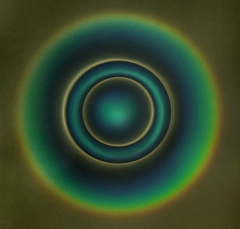
- 1 Piece Gauss Spectrum Magnetic Field Viewer Film
- Display relative gauss strength in a spectrum of color
- SKU# GSVF
$54.99 As low as $46.74
